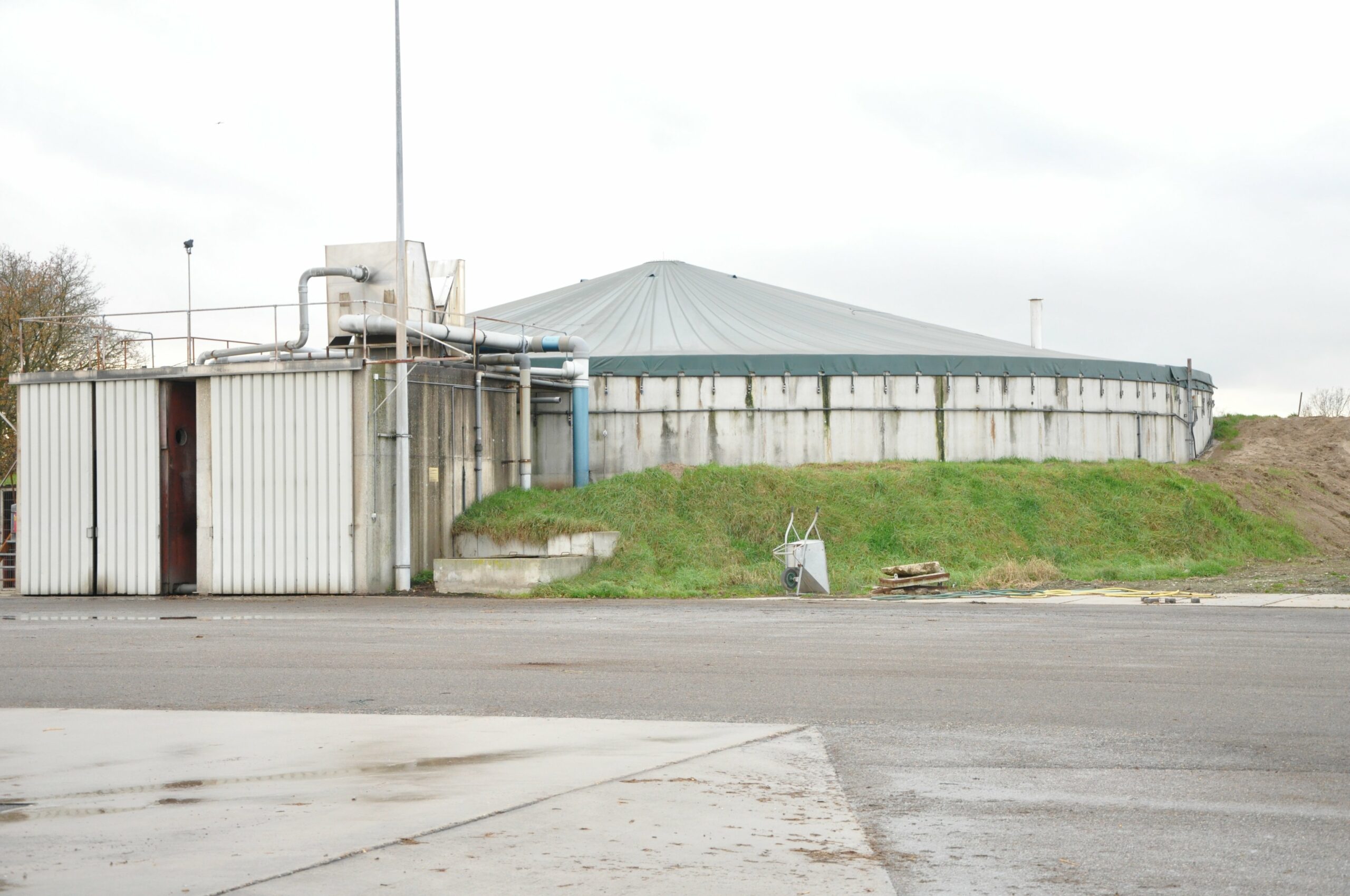
One of the basic raw materials used by composters is gully water or black water. This water is often stored in large water tanks. The hazards this involves are illustrated by the fact that in the Netherlands alone at least three incidents with slurry tanks occur each year. Unfortunately these incidents usually result in several fatalities. I would like to share some tips that can help prevent this kind of incident.
Water that contains compost releases toxic gasses. These toxic gasses are H2S hydrogen sulphide, NH3 ammonia, CO2 carbon dioxide and CK4 methane. The gas of the gully water is heavier than air and so remains at the base of the tank, or in the pit where the pumps are. A slurry tank is an enclosed, sealed space and a pit is also often badly ventilated. This means that dangerously high concentrations of toxic gasses can form.
When working, the presence of these gasses goes unnoticed, as it is quite normal for a slurry tank to smell. In addition, a high concentration of hydrogen sulphide knocks out your sense of smell so you are unable to smell the hazard.
Your natural instinct is to help another person in danger. You cannot see or smell the hazard. You are in a state of panic, so what do you do? You enter the tank to try and help the person overcome by the fumes. Without protective apparatus. Within just a few seconds you will also be unconscious!
See also the animated film on a phase 1 compost facility in British Columbia, Canada.
Champignon Blog | Mark den Ouden